You’ve probably heard Oscar Wilde’s famous quote: “Be yourself; everyone else is already taken.” The message is simple and easy to support—of course we want to be ourselves. Being unique is wonderful. Be the person you were meant to be!
Messages like this are strongly promoted in our culture. We see them on social media, printed on T-shirts and tote bags, and even woven into everyday conversations.
But if that’s the case, why do so many people who regularly share and celebrate these messages still feel dissatisfied with their lives when they don’t match current trends—or at least the average?
More often than we would like to admit, we hide our own traits and talents simply to look more like our friends or fit into popular culture.
Teenagers, in particular, are often quick to judge themselves and others. Many will do almost anything to avoid drawing attention to the fact that they are “different,” because they expect to be judged for it.
Type 1 Diabetes and the Feeling of Not Belonging
Now imagine growing up in that kind of environment while living with type 1 diabetes. From personal experience, I can tell you—it isn’t easy.
Hiding injections and glucose checks out of fear that others might exclude or mock you. Compromising your own health just to avoid attention because you’re taking care of yourself. Concealing a significant part of your life, even from your closest friends, because you fear they’ll see you differently.
I went through all of that. And I never want to go back.
I hope that by sharing my experience, I can help others let go of the shame or discomfort associated with T1D and recognize how this condition can positively influence both their lives and the lives of those around them.
Learning to Manage T1D Brought Many Challenges
My life has never been “typical.” I was diagnosed with T1D at the age of six. I was the first person in my family to receive that diagnosis, and it took years before I accepted diabetes as part of my everyday life.
During one of the first educational sessions about T1D, a healthcare professional told my parents that I would need a strictly controlled schedule for insulin and meals—no additional injections between the three main meals of the day. At the time, my parents had no idea how inaccurate that advice was.
School events and birthday parties were particularly difficult. If food was served at a time that didn’t match my meal schedule, I would eat sugar-free gelatin instead. At the playground, my blood sugar would sometimes drop suddenly, and I would sit on the sidelines with a cup of juice while everyone else kept playing.
For years, I didn’t realize the psychological impact of constantly being singled out—and all I wanted was to be a “normal” child.
I Hid My T1D from My Friends
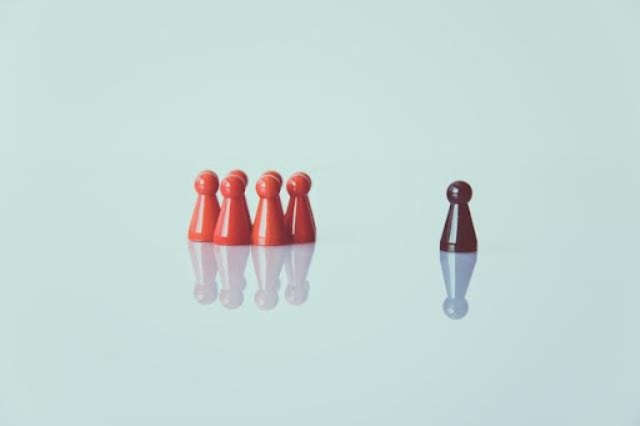
Like thousands of others living with type 1 diabetes, I spent far too long believing that my diagnosis made me negatively “different.”
When I started high school, I was managing my blood sugar and insulin on my own for the first time—and I made sure nobody knew about it.
As I met new friends, I never mentioned my diabetes. If conversations continued right before lunch, I would stay with the group and miss the opportunity to step away and take my insulin on time.
Sometimes my Dexcom would alarm in the middle of class, and I would hold my breath, hoping everyone assumed it was just a phone notification.
Worst of all, when unhealthy food was offered, I would eat it along with everyone else, even though I knew my blood sugar would skyrocket.
I hated being different, so I did everything I could to make sure nobody found out.
Read here why do people hide diabetes.
What I Would Tell My Younger Self
Hiding my diabetes made life chaotic. I became highly insulin resistant, struggled to enjoy social situations, had little energy for everyday activities, and almost no motivation to exercise.
Now, looking back on my high school years, I can see how much those efforts to “blend in” actually limited me. They cost me opportunities that could have benefited me—or, more importantly, opportunities to support others.
If I could go back in time, I would tell myself three important things:
1. When I Take Care of My Diabetes, I Feel Great
First, managing T1D properly through healthy eating and regular exercise can mean having a healthier body than many people who don’t have diabetes.
Diabetes does not mean I am sick—it simply means I need to take care of myself differently.
While T1D can be exhausting, it also has positive aspects.
For example, I can closely monitor my glucose levels to avoid dramatic highs and lows and optimize my physical performance using CGM technology and strategic carbohydrate intake.
Many people would love to have that level of insight and control over their health, yet I spent years pushing it away just to fit in.
Today, I feel dramatically better—both physically and mentally—because I have embraced the lifestyle that works best for me.
2. Hiding Diabetes Is Extremely Stressful
Second, hiding such an important part of your life—like T1D—creates an enormous mental burden.
Managing diabetes is already demanding enough. Feeling like you can’t share that reality with others only adds more pressure.
I wasn’t even fully aware of that stress until I started noticing its effects throughout every area of my life.
The day I finally told my friends about my T1D, I felt an incredible sense of relief.
And do you know what happened?
All of my true friends loved me exactly the same as before.
In fact, many friendships became even stronger because people began asking questions about diabetes, leading to deeper and more meaningful conversations.
3. Everyone Has Their Own Struggles
Finally, in the words of my mother: “Everyone has something.”
The world is not perfect, and every person faces their own battles—physical, emotional, social, spiritual, and more. The list is endless.
T1D just happens to be mine.
Nothing has brought me more peace regarding diabetes than this realization.
When I was obsessed with having the “perfect” life I imagined everyone else had, I was miserable and constantly felt sorry for myself.
Today, I see things very differently.
Being honest about your challenges can have an incredibly positive effect on your relationships.
I am grateful to have been able to support people through their own struggles—even when those struggles had nothing to do with diabetes.
People have opened up to me about family conflicts, the loss of a parent, leaving their homeland, betrayal by friends, losing beloved pets, spiritual doubts, and much more.
And because I have gone through something difficult myself—and continue to do so—they feel comfortable talking to me.
Being a source of support, comfort, and encouragement is what gives meaning to my journey with T1D.
Recognize Your Own Strength
Living in a society that encourages constant comparison is difficult. Stepping outside the mold of “normality” and recognizing the unique opportunities life presents is not easy.
I know how frightening it can be to feel different—especially when that difference wasn’t your choice but was imposed by life through T1D.
But taking that first step toward accepting yourself, diabetes included, is one of the most liberating feelings in the world.
Type 1 diabetes can become a gift—if you choose to see it that way.
It takes tremendous strength and maturity, especially for young people, to view T1D with gratitude and perspective.
Life with T1D is not about merely surviving.
It is about transforming your pain, challenges, victories, and personal story into something that can help others and bring them a little hope and light.
If you're interested in this topic, be sure to read our article: "Diabetes on Social Media".
Translated and adapted from Beyond Type 1.