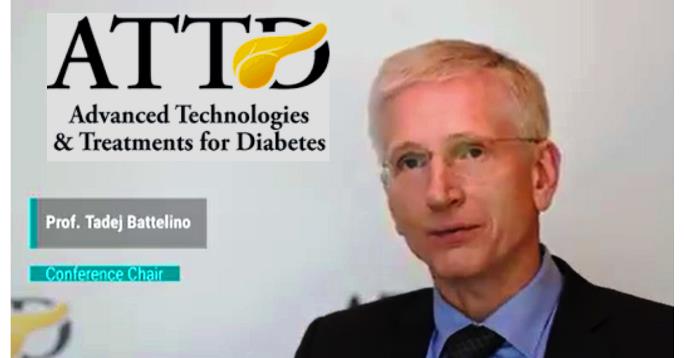
At the ATTD 2026 conference in Barcelona, the results of a clinical study of zimislecel (VX-880) therapy were presented — an experimental treatment that uses stem cell-derived cells to produce insulin!
This therapy involves the transplantation of lab-grown pancreatic islet cells that can start producing insulin again in people with type 1 diabetes.
How was the study conducted?
The FORWARD study included adults with type 1 diabetes who had:
- impaired awareness of hypoglycemia
- at least two severe hypoglycemic episodes in the year before enrollment
Participants received a single infusion of zimislecel along with standard immunosuppressive therapy.
Results after 12 months
The results for the first 12 patients showed a very strong therapeutic effect:
- all of them started producing their own insulin again (C-peptide)
- HbA1c fell from an average of 7.8% to 6.0%
- time in range increased from 49.5% to an excellent 93%
- no severe hypoglycemia was recorded 90 days after therapy!
Most important finding
The need for insulin was reduced by an average of as much as 92%, and 10 out of 12 patients (83%) completely stopped using insulin after one year!
Therapy safety
Most side effects were mild or moderate, and no serious therapy-related adverse events were recorded.
If you are interested in this topic, we invite you to also read our article "Blood Glucose Measurement — Without Blood!"
What does this mean for people with type 1 diabetes?
At this moment, zimislecel is the first therapy to use fully differentiated islet cells derived from stem cells, and it is in an advanced stage of clinical development.
This therapy obviously does not require organs donated by deceased donors!
If these results are confirmed in larger studies, this therapy could represent a functional cure for type 1 diabetes — meaning long-term insulin production without daily injections or pumps.
For now, the therapy still requires immunosuppression, which obviously means it is not perfect… But if we are going to have to take immunosuppressants anyway, perhaps the solution also lies in these most advanced ones:
Conclusion
The message sent by the ATTD 2026 conference is strong and clear: beta-cell regeneration is no longer just a scientific idea. The first people with type 1 diabetes are already living without insulin today after this therapy.
That means some good ideas are slowly beginning to turn into reality.
Until then, our task is to take care of our bodies as well as possible. Every more stable glucose level, every avoided hypoglycemic and hyperglycemic episode, and every year without complications increases the chance that one day we too will live to see this or an even better therapy.
It is worth fighting, and it is worth taking care of yourself. Because science is clearly moving in the right direction. Good luck to all of us.