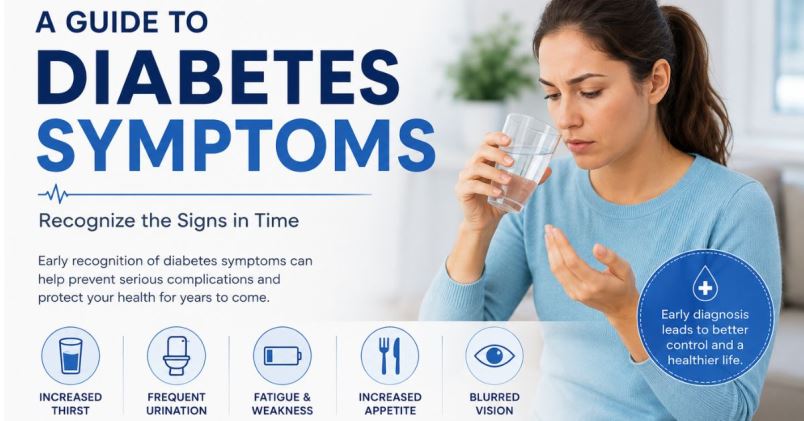
Diabetes symptoms develop as a result of chronically elevated blood glucose levels. The most common symptoms include increased thirst, frequent urination, fatigue, increased appetite, and blurred vision. They may vary depending on the type of diabetes, age, and how quickly the condition develops.
Early recognition of symptoms directly reduces the risk of long-term complications, such as damage to the kidneys, eyes, nerves, and blood vessels!
General and Early Symptoms of Diabetes
General diabetes symptoms are common to all types of the condition, including type 1 diabetes, type 2 diabetes, and gestational diabetes. The difference is usually not in the type of symptoms, but in their intensity and speed of onset.
The most common early symptoms include:
- Increased thirst – excess glucose in the blood increases osmotic pressure, causing the body to lose water. The body responds by triggering thirst.
- Frequent urination, especially at night – the kidneys try to remove excess glucose from the body, which leads to increased urine production.
- Increased appetite – because the cells cannot properly access energy, the brain sends hunger signals and increases the need for food intake.
- Constant fatigue and poor concentration – lack of glucose inside the cells reduces energy production, which results in exhaustion.
- Blurred vision – elevated glucose levels affect the fluid balance in the eye, which can cause temporary or permanent vision problems.
These symptoms are often ignored or attributed to stress, which delays diagnosis.

Symptoms of Type 1 Diabetes
Type 1 diabetes is an autoimmune disease in which the body almost completely stops producing insulin. It most commonly occurs in children and young adults, but it can develop at any age.
Symptoms usually develop suddenly, often within a few weeks.
Typical signs include:
- Sudden and unexplained weight loss
- Extreme thirst and very frequent urination
- Severe fatigue and weakness
- Nausea, vomiting, and abdominal pain
- Breath that smells like acetone
- Rapid and deep breathing
If the condition is not recognized in time, diabetic ketoacidosis may occur. This is a medical emergency that requires urgent hospital treatment.
Symptoms of Type 2 Diabetes
Type 2 diabetes is the most common form of diabetes and accounts for more than 90% of all diabetes cases. The main problem is insulin resistance, meaning that the body’s cells do not respond properly to insulin.
The condition develops gradually, often over many years, and may remain without clear symptoms for a long time.
The most common symptoms include:
- Fatigue, especially after meals
- Slow healing of wounds and cuts
- Frequent infections, including urinary tract, skin, and fungal infections
- Tingling, burning, or numbness in the feet
- Gradual worsening of vision
Because the symptoms can be mild, type 2 diabetes is often discovered only after complications have already developed, such as heart disease, kidney damage, or nerve damage.
Prediabetes – A Silent Warning Sign
Prediabetes is a condition in which blood glucose levels are elevated but do not yet meet the criteria for diabetes.
In most cases, it causes no obvious symptoms, which makes it particularly dangerous.
It is important to emphasize:
- Prediabetes is reversible
- Timely changes in diet and physical activity can prevent the development of type 2 diabetes
- Without intervention, the risk of progression is very high

Specific Diabetes Symptoms in Women and Men
Although the basic symptoms are the same, some differences may appear in the clinical picture.
In women:
- Frequent vaginal yeast infections
- Urinary tract infections
- Irregular menstrual cycles
You can read more about the challenges faced by women with diabetes here.
In men:
- Erectile dysfunction
- Reduced libido
- Reduced muscle strength
The underlying cause is chronic damage to blood vessels and nerves caused by hyperglycemia.

Gestational Diabetes and Its Symptoms
Gestational diabetes develops during pregnancy due to hormone-related insulin resistance.
The problem is that symptoms are usually mild, non-specific, and often identical to normal pregnancy-related discomforts. For this reason, diagnosis is made through screening, most commonly with an OGTT test between the 24th and 28th week of pregnancy.
Untreated gestational diabetes increases the risk of complications for both the mother and the child.

Diabetes in Children – Symptoms That Should Not Be Ignored
In children, diabetes is most often type 1 diabetes, and symptoms can progress very quickly.
Parents should pay attention to:
- Frequent urination or the return of bedwetting
- Extreme thirst
- Sudden weight loss
- Fatigue, irritability, and sleepiness
Any delay in diagnosis increases the risk of severe metabolic decompensation.
You can also read our article: A Child with Diabetes and a Journey to the Other Side of the World.
Diabetes Symptoms on the Skin
Skin changes are often an early indicator of impaired glucose metabolism.
The most common changes include:
- Acanthosis nigricans – dark, thickened skin on the neck and in skin folds
- Dry and cracked skin
- Itching
- Slow wound healing
These changes occur due to insulin resistance and poor microcirculation.
Other, Less Common Symptoms of Diabetes
Other possible symptoms include:
- Headaches
- Difficulty concentrating
- Mood changes
- Night-time leg cramps
- Frequent infections
Although these symptoms are non-specific, they may be a sign of long-term, unrecognized diabetes.
When to Seek Medical Help – Clear Warning Signs
You should seek medical help urgently if any of the following occur:
- Vomiting combined with high blood glucose levels
- Rapid or difficult breathing
- Confusion or loss of consciousness
- Severe abdominal pain
These are signs of acute metabolic conditions that require urgent medical evaluation.
Where and How to Get Tested for Diabetes
Diabetes testing is available through family doctors, medical biochemistry laboratories, hospital clinics, and specialist outpatient clinics.
The most common diagnostic tests include fasting blood glucose, HbA1c, and the OGTT.
- Fasting blood glucose measures blood sugar after at least eight hours without food intake and shows the baseline state of glucose regulation.
- HbA1c shows the percentage of hemoglobin bound to glucose and provides insight into average blood glucose levels over the previous two to three months.
- OGTT, or the oral glucose tolerance test, assesses how the body regulates blood sugar two hours after consuming a standardized amount of glucose.
Managing Diabetes – Why Early Diagnosis Matters
Diabetes is a chronic but manageable condition.
Early diagnosis allows for:
- Prevention or delay of complications (such as frozen shoulder and foot pain)
- Long-term protection of organs (see here why are check-ups important)
- More stable glucose control!