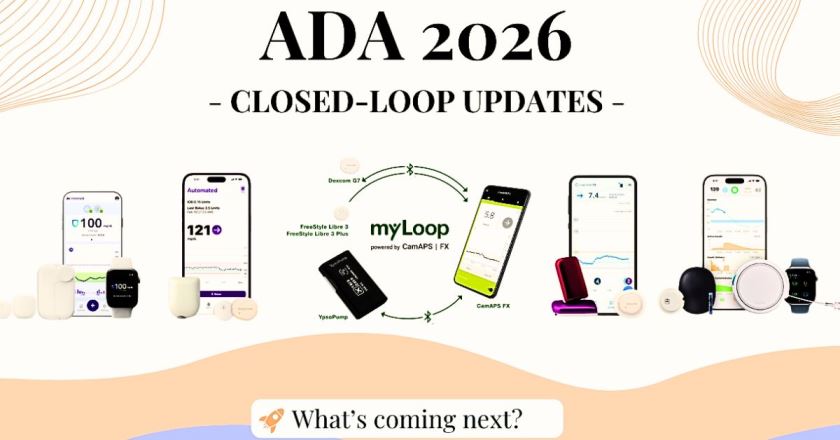
Advanced Technologies & Treatments for Diabetes (ATTD) is a congress that every year brings new developments in diabetes technology and care. This year, it was held in Barcelona. It is one of my favorite congresses because it constantly pushes the boundaries of how we understand health.
You can also read our related article from ATTD 2026: “Life Without Insulin in Type 1 Diabetes? New study presented at ATTD 2026 conference!”
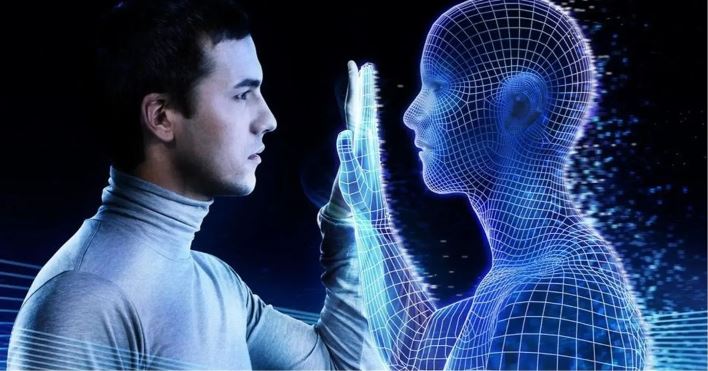
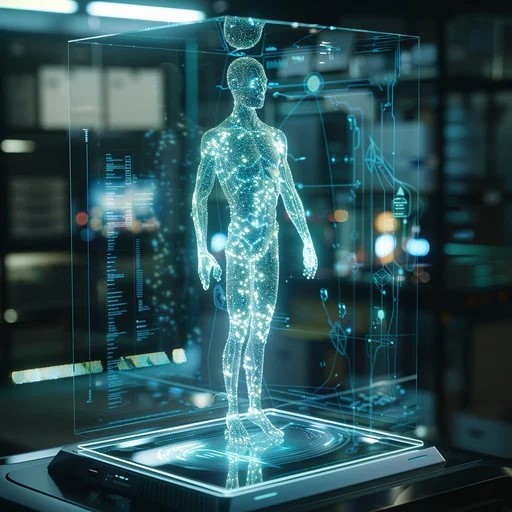
This year, there was a lot of discussion about the concept of digital twins. This does not refer, of course, to the zodiac sign Gemini, but to a virtual duplicate of a person that mimics their body, health status, and behavior.
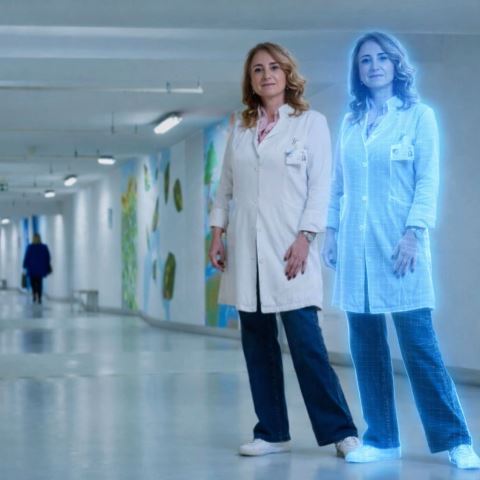
What is a digital twin in practice?
A digital twin is essentially a person’s avatar that collects and integrates a large amount of data. This includes not only glucose data, but also blood pressure, heart rate, and laboratory results. It also takes into account medical records, including disease history, diagnoses, therapies, and medications.
The model can also use data from sensors and devices such as smartwatches and fitness trackers, which monitor physical activity, sleep quality, and heart rate. Lifestyle data can also be included, such as diet, movement, and sleeping habits.
In addition, a digital twin can track physiological changes, such as the menstrual cycle, growth and development, and other changes in the body. The model may also incorporate location and environmental data, including factors such as temperature or the amount of allergens in the air.
What does such a simulation look like?
For example, based on collected data, it may become clear that a person passes by a particular restaurant every Friday, where they usually eat the same meal. Afterward, they walk home, during which their heart rate and blood pressure rise to a certain level, while their glucose first rises and then falls. In the spring, when allergens are blooming nearby, that same person no longer walks home, but instead uses a car.
Patterns like these make it possible to understand everyday habits more precisely and to see how they are connected to health status.
Applications in diabetes and medicine
With the help of a digital twin, it becomes possible to analyze the state of the body, simulate changes, and better understand possible health outcomes. For example, for a patient with diabetes who uses an insulin pump, a physician could first test new pump settings on the patient’s digital twin before applying them in real life, thereby making treatment safer.
In the past, digital twins were seen mainly as a tool for physicians. However, at ATTD there is increasing discussion about the possibility that, in the future, patients themselves could use them as well. A person could have their own digital twin, regularly updated with new data.
For instance, if a woman with diabetes becomes pregnant, situations from the first trimester could be simulated in advance, allowing possible changes in insulin requirements to be monitored. If that same person is considering a dietary change or a new eating plan, she could first assess its likely effects using her digital model.
Digital twins already exist in industry
Digital twins are already being used in industry today. Companies such as BMW create a digital model of an entire factory, a so-called Virtual Factory, on a computer. Such a model represents machines, production lines, and manufacturing processes, allowing changes to be tested, problems to be identified, and efficiency to be improved through simulation.
My contribution to this year’s ATTD
Finally, I also try to contribute new knowledge to ATTD every year, and this time with two papers. The first focuses on sensors in pregnancy and type 1 diabetes: Continuous glucose monitoring parameters as predictors of large-for-gestational-age neonates in women with type 1 diabetes. The second focuses on students, who most often use digital media as a source of health information: Digital media, lifestyle behaviors, and weight gain among European university students: the need for evidence-based health education.
Next year — digital twins?
Author: Maja Baretic, PhD, source and contributtion here