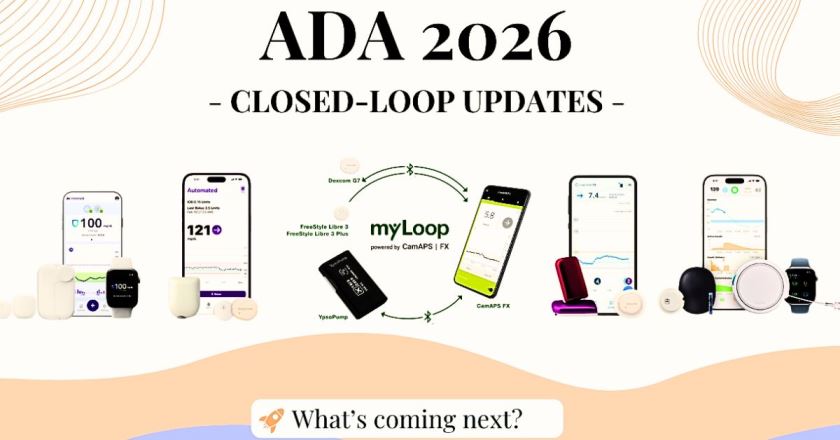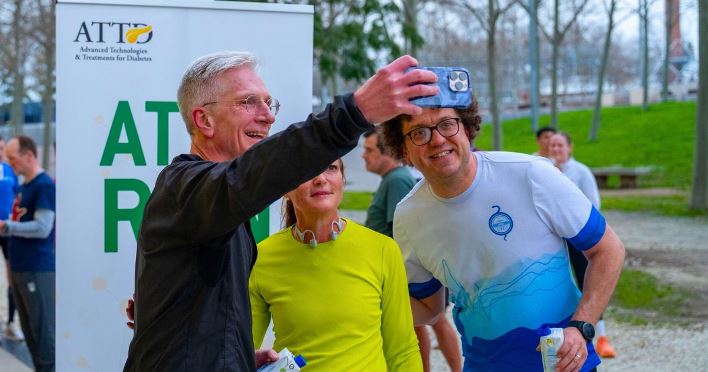
This year’s ATTD 2026 conference was held in Barcelona, Spain, from March 11 to 14, 2026. The conference focused on technological advances in diabetes care, with a strong emphasis on innovations driven by artificial intelligence (AI). Key topics also included automated insulin delivery (AID) systems and emerging therapies for both type 1 and type 2 diabetes.
Next-Generation Technology
As an endocrinologist, I found the presentations by bioengineers particularly interesting. Through mathematical models and advanced software, they are helping develop new algorithms that could make diabetes management simpler and more effective.
Today, treatment of type 1 diabetes relies heavily on advanced technology, especially automated insulin delivery systems. However, successful treatment still depends on close cooperation between the person living with diabetes and the technology itself.
One possible future solution is the concept of a “digital twin” — a digital model of a person stored in the cloud, designed to replicate their genetic, physical, and physiological characteristics. Such systems could potentially predict glucose trends and optimize therapy in real time.
Digital Twins and Diabetes: How ATTD 2026 Is Changing the Future
MiniMed – Abbott – Dexcom – Insulet
MiniMed presented feasibility study results for its next-generation algorithm, MiniMed Vivera. This fully closed-loop insulin delivery system represents a major step forward compared with the current MiniMed 780G hybrid closed-loop system.
Abbott introduced a dual sensor capable of measuring both glucose and ketones simultaneously. The device is currently undergoing regulatory approval procedures. The company also presented results from the FreeDM2 study, showing that Libre technology improves glucose control and time in range in people with type 2 diabetes using basal insulin together with SGLT or GLP therapies, compared with traditional fingerstick testing.
Dexcom presented real-world retrospective study data showing that long-term use of the Dexcom G7 system contributes to better weight management and lower HbA1c levels in people with type 2 diabetes who are not using insulin. In people with type 1 diabetes, CGM use was also associated with fewer hospitalizations due to diabetic ketoacidosis and fewer emergency department admissions.
Insulet announced the launch of the OmniPod 6 system during 2026. The new AID system will use an adaptive learning algorithm designed to personalize insulin delivery over time.
Expanding CGM Use Beyond Diabetes
Continuous glucose monitoring (CGM) is increasingly being explored not only for diabetes, but also for people living with obesity and for patients after bariatric surgery.
HbA1c or CGM?
One of the most interesting discussions at the conference focused on whether HbA1c should remain the gold standard for diabetes monitoring, or whether it is time for a paradigm shift toward newer tools such as CGM sensors.
CGM provides a far more detailed picture of glucose fluctuations, time spent in target range, and episodes of hypoglycemia, potentially leading to better overall disease management.
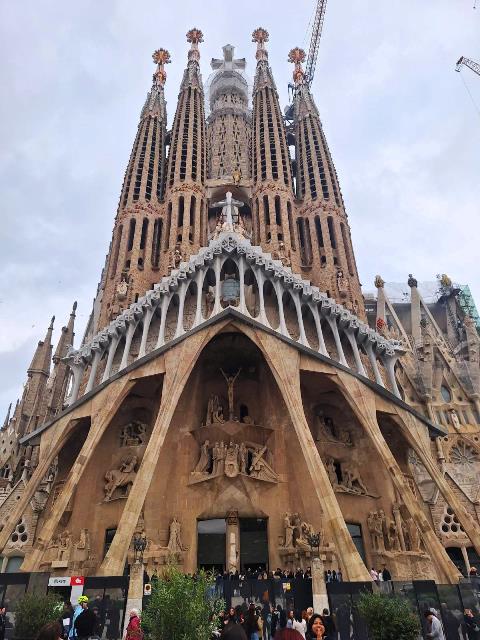
La Sagrada Familia in Barcelona - probably the most beautiful basilica I've ever seen (especially from inside)
Screening and Prevention of Type 1 Diabetes
For the first time, Italy has introduced legislation enabling free and voluntary national screening for type 1 diabetes and celiac disease.
The discussions highlighted the need for proper infrastructure to support early intervention therapies, including teplizumab — an anti-CD3 monoclonal antibody already approved in the United States.
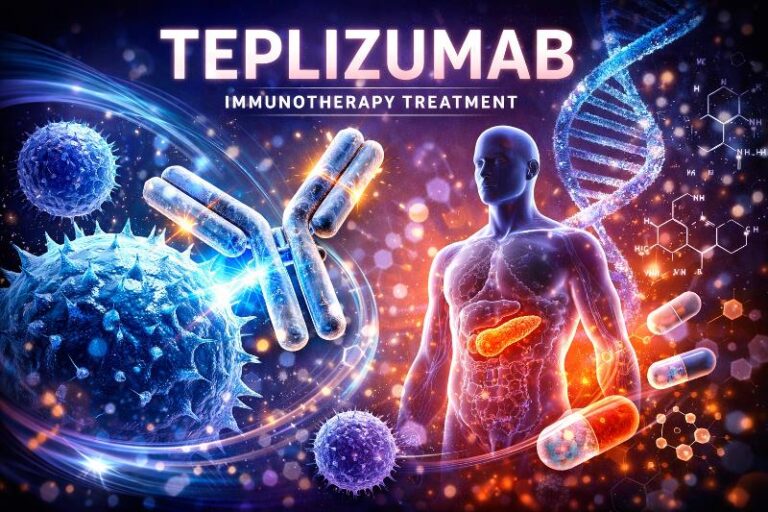
Teplizumab is used to delay the onset of clinical (stage 3) type 1 diabetes in adults and children older than eight years who have positive pancreatic islet autoantibodies and dysglycemia, but no clinical symptoms of diabetes yet.
This therapy can delay progression to clinical type 1 diabetes by approximately two to three years.
You can also read our related article from ATTD 2026: “Life Without Insulin in Type 1 Diabetes? New study presented at ATTD 2026 conference!”
Conclusion
These are just some of the impressions from this year’s ATTD conference — an event that continues to demonstrate the fascinating intersection between medicine and technology.
Author: Annemarie Balasko, Specialist in Internal Medicine, Subspecialist in Endocrinology and Diabetology