Cataracts are a condition that causes blurred vision due to the buildup of proteins on the lens of the eye. If left untreated, cataracts can lead to progressive vision loss and, ultimately, blindness.
The most common treatment for cataracts is surgery, but it is not without risks. In 42% of cases, cataract surgery results in dry eyes, and in 20% of cases it leaves the patient with a drooping eyelid.
Blood sugar levels have a significant impact on your eyes. Chronically high blood sugar caused by poor diet and lack of physical activity can lead to long-term damage to your body and make you more susceptible to eye diseases, including cataracts, glaucoma, and blindness.

Antioxidants found in leafy green vegetables and colorful berries, fruits, and vegetables can help prevent and/or treat cataracts. Key nutrients include carotenoids such as lutein, zeaxanthin, astaxanthin, and vitamin C.
Other natural remedies for cataracts include N-acetylcarnosine (NAC) eye drops and N-acetylcysteine amide (NACA) eye drops.
Dr. Eric Berg, a chiropractor and health educator, provides an overview of some of the best natural alternatives for preventing and/or treating cataracts. Risk factors for cataract development include excessive alcohol consumption, smoking, older age, diabetes, toxic substances, certain medications, and eye injuries.
Signs and symptoms of cataract development include:
- Cloudy or foggy vision
- Changes in color perception
- Difficulty driving at night due to glare from lights
- Sensitivity to sunlight
- Nearsightedness
- Double vision
- Glasses and contact lenses no longer seem to improve vision
Cataract Surgery Is Not Without Risk
The most common treatment for cataracts is surgery, but as Berg notes, it is not without risks. In 42% of cases, cataract surgery results in dry eyes, and in 20% of cases in a drooping eyelid. Other potential side effects include floaters, retinal detachment, eye infection, glaucoma, further vision loss, and secondary cataracts.
Like Berg, I would encourage you to try one or more natural remedies before deciding on surgery. Although scientific evidence demonstrating the effectiveness of natural remedies is limited, this does not mean they are ineffective. The lack of scientific evidence is largely due to the fact that few researchers are willing to invest the necessary resources into studying something that will never generate profit.
For example, you cannot patent food or natural nutrients, and dietary supplements do not have the same profitability as pharmaceuticals. You cannot charge hundreds or thousands of dollars for a bottle of supplements. On the other hand, the risk you take by trying a natural remedy is virtually nonexistent.
Adding more nutrients to your diet will not harm you. In the worst case, you will see no benefit. Keep in mind that when it comes to food or supplements, it may take weeks or months before effects become noticeable, so be persistent long enough for them to make a difference.
Blood Sugar Affects Your Eyes
As Berg explains, your eyes are significantly affected by blood sugar levels. Chronically high blood sugar due to poor diet and lack of exercise can cause long-term damage to your body and make you more prone to eye diseases, including cataracts, glaucoma, and blindness.
According to Berg, when blood sugar is high, it creates significant oxidative stress in various tissues, including the eyes. Our bodies produce antioxidants to protect against this oxidation and free-radical damage. However, factors such as age and diet can reduce our body’s ability to produce antioxidants. Plants, however, also produce powerful antioxidants that we can use to help counteract oxidative stress. Two key categories to focus on are carotenoids and anthocyanins.
Carotenoids and Anthocyanins Support Eye Health
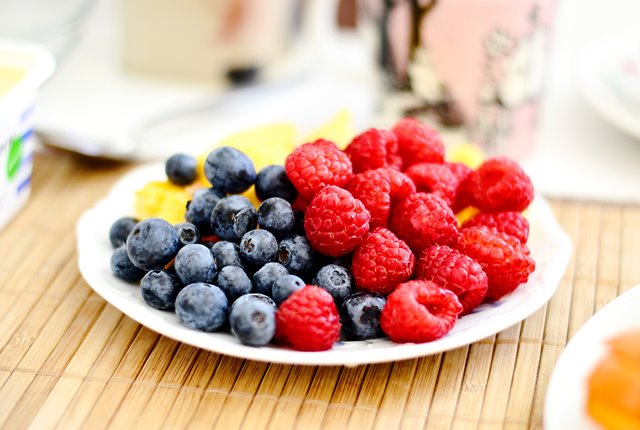
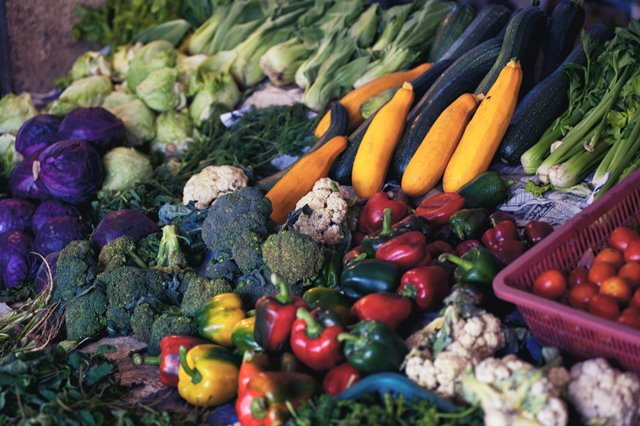
Carotenoids and anthocyanins are natural pigments found in fruits, berries, and vegetables. Foods high in carotenoids include yellow, orange, red, and purple fruits and vegetables, egg yolks from organically raised eggs, and grass-fed meat.
Key carotenoids known for their protective effects on eye health include beta-carotene (a precursor to vitamin A), lutein, zeaxanthin, and astaxanthin. Below is an overview of the benefits and mechanisms of action of lutein and astaxanthin.
Foods rich in anthocyanins are red, purple, and blue in color, such as blueberries, blackberries, chokeberries, blackcurrants, and red cabbage (especially red cabbage sprouts). Berg’s homemade cataract remedy is a smoothie consumed once daily and consists of:
- 1 cup of red, purple, or blue berries of your choice
- 1 cup of kefir (full-fat, organic, unsweetened)
Kefir contains calcium and probiotics, which are believed to protect against cataracts. Blend the two ingredients and consume with a spoon, or add a little water to make a drinkable smoothie. Also, follow a diet low in fructose, sucrose, and other sugars, including lactose from milk, to prevent chronically elevated blood sugar.
Antioxidant Eye Drops for Cataracts
Other natural remedies for cataracts mentioned by Berg include N-acetylcarnosine (NAC) eye drops. Do not confuse these with N-acetylcysteine, which is also known as NAC. N-acetylcarnosine has been shown to penetrate the cornea into the lens of the eye, where cataracts form.
There, NAC is metabolized into L-carnosine, which has an antioxidant effect on the cataract-affected lens. NAC eye drops may reverse or even prevent the progression of cataracts, thereby improving vision and quality of life.
A 2017 study also found that N-acetylcysteine amide (NACA) eye drops were effective in reversing cataracts, while a 2022 study concluded that oxysterol, an oxygenated cholesterol derivative, effectively reversed cataracts in mice.
As reported by Medical News Today:
“Researchers used oxysterol to try to alter the levels of the proteins alpha-crystallin B or alpha-crystallin A present in the lenses of 26 mice. These proteins often cause cataract development during aging. The study showed that oxysterol improved lens cloudiness in 61% of cases. This is a promising sign that oxysterol could be an effective, non-surgical treatment for cataracts.”
Lutein Protects Against Eye Diseases
As mentioned earlier, lutein is a carotenoid that is very important for eye health and helps protect not only against cataracts, but also against glaucoma and age-related macular degeneration (AMD), the leading cause of blindness in older adults.
Lutein concentrates in the macula, the part of the retina responsible for central vision. Together with zeaxanthin and meso-zeaxanthin (a lutein metabolite), these three carotenoids form the retinal macular pigment, which not only optimizes visual performance but also serves as a biomarker for macular degeneration risk.
Lutein is also found in the lens, where it helps protect against cataracts and other age-related eye diseases. Among carotenoids, lutein is the most effective at filtering blue light—the kind emitted by smartphones, computers, tablets, and LED lighting. Blue light causes oxidative stress in the eyes, increasing the risk of cataracts and macular disease. Lutein acts as a shield.
Your body cannot produce lutein, so it must be obtained through diet. Foods particularly rich in lutein include dark leafy greens, carrots, broccoli, egg yolks, red and yellow peppers, sweet corn, avocados, raspberries, and cherries.
The word lutein comes from the Latin word luteus, meaning “yellow.” Remembering this can help you choose vegetables likely to contain higher amounts. Lutein and zeaxanthin are often found together in foods, although zeaxanthin is far less abundant. According to a 1998 study published in the British Journal of Ophthalmology, orange bell peppers contained the highest amount of zeaxanthin among 33 fruits and vegetables tested.
How Much Lutein and Zeaxanthin Do You Need?
Although there is no established recommended daily intake for lutein and zeaxanthin, studies have shown benefits with lutein doses between 6 mg and 20 mg per day and about 2 mg per day for zeaxanthin. Studies evaluating the combined effects of lutein, zeaxanthin, and meso-zeaxanthin—using 10 mg lutein, 10 mg meso-zeaxanthin, and 2 mg zeaxanthin daily for one year—found improvements in visual performance in individuals with normal vision at baseline.
How to Optimize Lutein Absorption
Lutein and other carotenoids are fat-soluble, so adding healthy fats to your meal improves absorption. For example, research shows that adding a couple of eggs to a salad—which provides both lutein and healthy fats—can increase carotenoid absorption up to ninefold. Egg yolks are also a primary source of choline, which helps combat dry eye.
Ideally, choose organic, free-range eggs. These not only have better nutritional value but also reduce exposure to pesticides and genetically modified organisms.
Another way to enhance lutein absorption from vegetables is to add a small amount of raw organic butter or coconut oil to your salad.
Vitamin C in the Fight Against Cataracts
Other nutrients are also beneficial for vision health. For example, vitamin C is associated with a lower risk of cataracts. One study compared vitamin C intake and cataract progression in more than 320 pairs of twins over a decade. Those who consumed more vitamin C-rich foods reduced their risk of cataracts by one third. Interestingly, vitamin C supplements were not associated with reduced risk.
Citrus fruits such as kiwis, oranges, lemons, limes, and grapefruits are well known for their vitamin C content, but the fruit with the highest concentration is actually the acerola cherry (also known as the Barbados cherry). Each cherry contains only one calorie yet provides about 80 mg of vitamin C along with beneficial micronutrients.
Astaxanthin — The Most Powerful Promoter of Eye Health
Last but not least, astaxanthin is an even more powerful antioxidant than lutein and zeaxanthin, and many researchers consider it the strongest antioxidant ever discovered for eye health.
Astaxanthin is produced by the microalga Haematococcus pluvialis when its water supply dries up, forcing it to protect itself from UV radiation. Aside from microalgae, the only other sources are marine animals that consume the algae, such as wild salmon, shellfish, and krill.
Astaxanthin has been shown to protect against a wide range of eye-related conditions, including cataracts, AMD, cystoid macular edema, diabetic retinopathy, retinal artery occlusion, venous occlusion, glaucoma, and inflammatory eye diseases such as retinitis, iritis, keratitis, and scleritis.
Astaxanthin easily penetrates eye tissue and works safely and more powerfully than any other carotenoid, without side effects. Specifically, it has been shown to reduce or prevent light-induced damage, photoreceptor cell damage, ganglion cell damage, and neuronal damage in the inner retinal layers.
Astaxanthin also helps maintain normal intraocular pressure and supports visual acuity. Depending on your individual situation, you may consider supplementing with astaxanthin. A typical starting dose is 4 mg per day, gradually increasing to around 8 mg per day—or more if you suffer from chronic inflammation.
Taking astaxanthin with a small amount of healthy fat, such as grass-fed animal butter, coconut oil, or eggs, will optimize absorption. Krill oil also contains high-quality animal-based omega-3 fats combined with natural astaxanthin, although at lower levels than those provided by dedicated astaxanthin supplements.
Other Natural Strategies to Protect Your Vision
Despite what your ophthalmologist may say, in my opinion there are natural, common-sense strategies you can apply to protect healthy vision, starting with diet. As explained above, certain foods are more or less essential for optimal vision and can significantly help protect your eyesight.
These include leafy greens, brightly colored vegetables, organic egg yolks, black, blue, and purple berries, and astaxanthin-rich seafood such as wild-caught Alaskan salmon. In addition to these dietary recommendations, here are several lifestyle changes that can further support eye health:
Avoid blue light from electronic screens, as blue light reduces melatonin in the lens, a major contributor to cataracts. Avoiding blue light is especially important after cataract surgery, since the natural lens filters blue light whereas artificial lenses do not. UV-blocking artificial lenses are available by special order but are not standard. If you undergo cataract surgery, wear blue-light-blocking glasses when using screens or being indoors under artificial lighting.
Quit smoking. Smoking increases free radical production in your body and puts you at risk in many ways. If you want lifelong healthy vision, cigarettes are not an option.
Take care of your cardiovascular system through regular exercise. High blood pressure can damage the tiny blood vessels in the retina and restrict blood flow. A regular exercise program can significantly help lower blood pressure and is also crucial for optimizing insulin and leptin levels.
Normalize blood sugar. As noted earlier, chronically elevated blood sugar can damage your eyes and impair blood flow to the retina.
Avoid vegetable oils and processed foods. Your eyes are highly sensitive to damage caused by polyunsaturated fats such as linoleic acid (LA), so avoid cooking with vegetable oils and stay away from processed foods.
Avoid aspartame. Vision problems are among the many potential acute symptoms of aspartame toxicity.
Text adapted from Mercola.