Darko is one of the most influential long-standing figures in the local diabetes community, known for years of continuous field engagement rather than symbolic involvement.
Today, he is the president of diabetes association and channels intensity into diabetes technology, openly embracing pumps and sensors as tools that fundamentally reshaped his control and quality of life. All the great reasons for the interview 🙂
1. Darko, do you remember when you were diagnosed with type 1 diabetes?
I was exactly 30 years old. I was playing cards with friends, and during breaks, I’d easily drink a liter of soda. A friend’s wife, who was a nurse, noticed and told me, “Come by the clinic on Monday so we can check your blood sugar.”
When they measured my fasting glucose and saw it was 17 mmol/L, they told me I had to stay in the hospital. I was in shock, but I managed to negotiate going home first to get my pajamas and things and then return the next day. It was a huge shock. I knew what diabetes was—my grandmother and father both had type 2—but when it happens to you, it feels completely different.
2. What are, in your view, the key rules for living with diabetes?
Diabetes management rests on balancing three core elements: therapy, nutrition, and physical activity—each requiring consistent discipline.
Portion control is critical; stopping a meal before overeating begins helps maintain stability. Distributing food into five to six smaller meals is generally more effective than large portions. Foot protection is essential, walking barefoot increases the risk that even minor injuries become serious complications.
I never skip insulin, no matter how “good” the day seems—the rule is simple: whatever you eat, you take insulin. I also never allow high blood sugars to linger; I react to them immediately, most often with movement.
At home we have spiral stairs, so when my glucose runs high, I go up and down them. I’ve learned that brisk walking really helps, while slow walking has little to no effect on blood sugar.
3. What was the hardest change for you in your diet?
Sweets—without a doubt. I was never into spicy or salty foods, but I loved sweets. I used to eat large amounts of cakes and candy every single day, and it was my biggest indulgence. When diabetes entered my life, I had to give that up, and it wasn’t easy.
4. You only got your pump a few years ago.
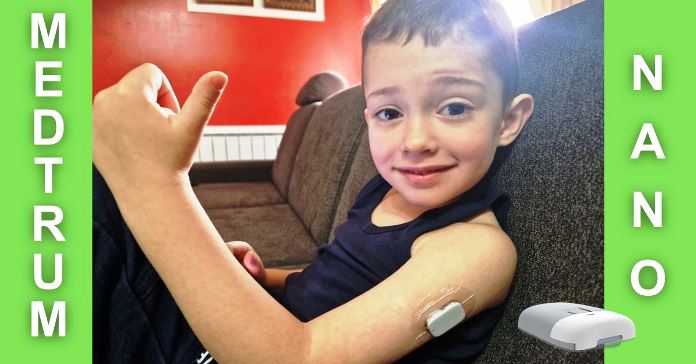
Yes—four years ago I got Medtronic 780G insulin pump and my life has been completely changed 🙂
When I think back to the time before, life was much harder—constant tension, constant thinking, never being able to fully relax. My HbA1c back then was between 9 and 10.
On the pump, my values are between 6 and 7, and my diabetologist was genuinely impressed when I first came in with that level of progress. He even admitted he had assumed I would remain in the category of “undisciplined” patients.
5. What has changed the most since you started using a pump?
Mornings. They used to be my weakest point—fasting glucose was almost always poor, and I was constantly frustrated. Now I wake up with excellent values, which sets the tone and energy for the entire day. Feeling stable and calm in the morning is a completely different start compared to the stress of waking up high and losing half the day trying to recover.
High nighttime glucose used to wake me up constantly to use the bathroom; now I sleep through the night!
My TIR is more than 70%, which I’m satisfied with because it’s not achieved through extreme overcorrection. Often it goes up to 92%, and I feel genuinely proud.
Hypoglycemia episodes are about 50% less frequent than before. When they do occur, it’s usually due to insulin overlapping with unplanned physical activity.
6. How did you master all that technology—and were you afraid of failure?
Not at all. I was highly motivated because I knew the pump would help me. I literally recorded the training sessions, connected my camera to a big TV at home, and learned step by step. I told myself I didn’t have to get everything right immediately—but I would learn it for sure.
A younger member of our association once told me, “Darko, you’ll never master that.” I replied with a smile, “Just watch me.”
In my view, if someone knows how to use a smartphone or a computer, an insulin pump won’t be any more complicated.
7. You’ve been the president of the local diabetes association for years. Why is the association so important to you?
I wanted people with diabetes, especially those leaving the clinic shocked and overwhelmed, to have somewhere to go for answers and support. That’s what still drives me today. The beginning is always the hardest, particularly for parents of young children.
I’m also proud to have organized the first humanitarian concert for diabetes in Croatia, sending a clear message that people with diabetes aren’t asking for privileges, but for a life with less pain. About a year after the concert, Medtronic and other sensors were added to the national health insurance reimbursement list.
I’m not claiming it happened because of the concert alone, but I do believe it gave people a voice and created public pressure that could no longer be ignored.
Living with diabetes 24 hours a day. You can’t run from it, and giving up isn’t an option—you simply have to give your best and live life to the fullest.