If you are reading this text, you are probably currently wearing a continuous glucose monitoring sensor, or at least you know what it is. You also likely know that our sensors do not actually measure glucose in the blood, but rather in the interstitial fluid, which is not the same thing. This brings us to the main limitation of today’s sensors — accuracy — along with the fact that they still penetrate the skin and remain inserted in it. It’s not terrible, but that’s the reality.
Continuous blood glucose measurement!?
Every so often, someone publishes (false) information claiming that glucose will soon be measured “non-invasively” in the blood. Even Apple and Samsung are not immune to such headlines. But one day, someone will actually announce the real thing 😊
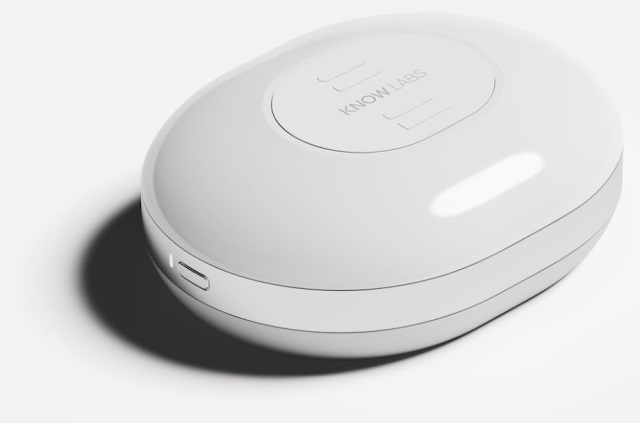
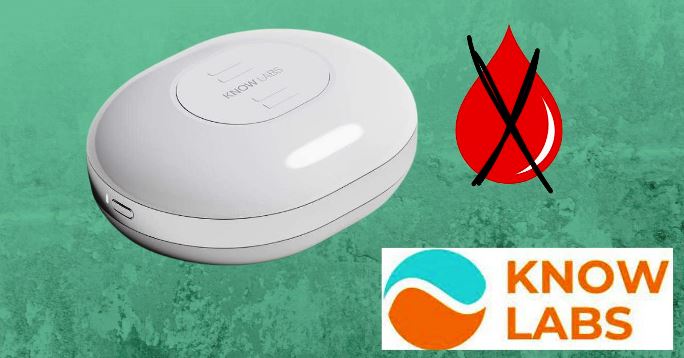
The first generation of a blood glucose measurement device without any puncture — Know Labs
The company Know Labs published its story on the well-regarded portal diabetesdaily.com, explaining its vision of measuring blood glucose without any needle insertion and outlining how far they have progressed. They also announced plans to seek registration of their second-generation device with the world’s strictest regulatory agency — the FDA — in the second half of 2024. The second generation is expected to be even smaller, potentially available in the form of a watch or similar wearable device, capable of transmitting glucose levels to compatible insulin pumps.
It sounds promising and encouraging whenever a company openly plans to seek regulatory approval — that alone suggests the project is grounded in reality.
Blood and RFID Technology
If you own a dog or a cat, it probably already has an RFID chip. ENC toll payment devices used in cars also contain RFID chips, and retail clothing stores use similar chips for anti-theft protection.

In short, one device sends out a signal that reflects off another object and returns, allowing a specific reading to be performed.
Inspired by RFID, Know Labs developed Bio-RFID — a device that emits a signal which reflects off glucose molecules, based on the principle that each type of cell in the body reflects signals at a specific frequency.
By analyzing differences in signal readings with the help of artificial intelligence, the Bio-RFID device can estimate blood glucose levels. In a limited study, they achieved a MARD of 11.27, while Libre 3 has a MARD of 7.9 and Dexcom G7 has 8.7 (lower is better). It is not outstanding, but it represents a more than solid starting point.
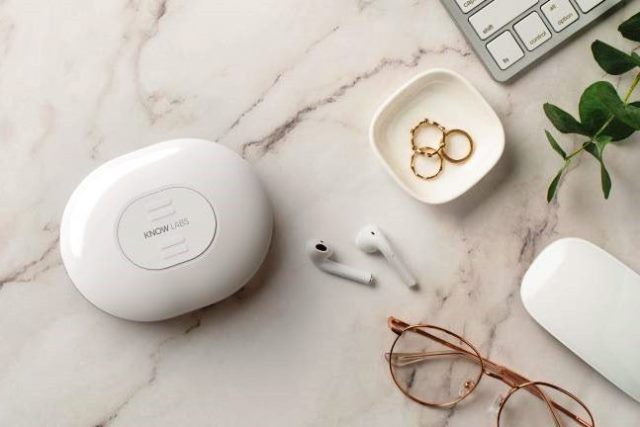
Size comparison
How much will Bio-RFID cost and what are you actually buying?
This technology does not use disposable components, meaning there would be no need to continuously purchase sensors or insert them into the skin — which reduces overall costs.
However, because artificial intelligence (AI) will be used in the final calculation of blood glucose values, the CEO of Know Labs suggests users will likely pay an ongoing AI license fee. According to their estimates, traditional CGM systems in the United States cost $1,700 or more per year, while Bio-RFID is expected to cost under $1,000 annually.
Conclusion
Even if a satisfactory technology is invented, obtaining regulatory approvals (FDA and EMA) is difficult. Then come challenges such as large-scale manufacturing with proper quality control, logistics, distribution networks, and many other obstacles.
Nevertheless, one day a news announcement really will be the one — a genuine step forward in diabetes self-management. Until then, it is important to focus on today: to preserve health as well as possible now so that we can benefit more from tomorrow’s technological progress.
Good luck to all of us.
You can also read our article What CGM Has Taught Us About TIR and HbA1cWhat CGM Has Taught Us About TIR and HbA1c on this link.