Type 1 diabetes is an autoimmune disease in which the immune system destroys the pancreatic beta cells – the cells responsible for insulin production. Without them, the body cannot regulate blood sugar, which means patients are dependent on insulin therapy for life. However, scientists are now developing revolutionary methods that could offer a permanent solution – the transplantation of beta cells that would once again take on their natural role, and which is less invasive than a full pancreas transplant.
Where are we now?
Transplantation of pancreatic islets from donor organs (pancreases from deceased persons) is already being carried out in some countries, but there are significant limitations: few available donors and the need for lifelong use of immunosuppressive drugs (which reduce immunity and prevent rejection of the transplanted cells, but also increase the risk of infections) so that the body accepts the transplanted cells. This is not a surgical procedure like a pancreas transplant; instead, the cells are injected through a catheter into a vein near the liver. New approaches are being rapidly explored to make this therapy more accessible, safer, and longer-lasting.
New approaches to beta-cell transplantation
1. Beta cells from the stem cells of other people
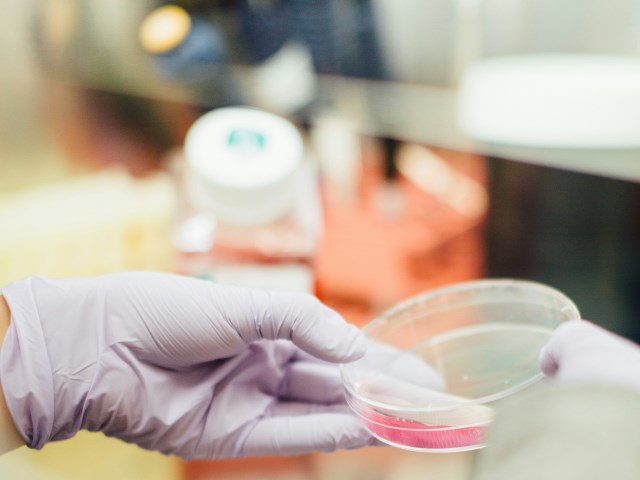
One of the major breakthroughs is the ability to grow beta cells in the laboratory from stem cells (cells that can be directed to develop into any cell in the body), solving the problem of donor organ shortages. These cells can produce insulin, but since they come from other people, the body recognizes them as foreign and attacks them, so patients must take immunosuppressive medication. Still, the first results in a small number of people show that this method can enable insulin production in individuals with type 1 diabetes, and in some, combined with immunosuppression, it can allow life without insulin.
2. Genetically modified beta cells that evade the immune syste
The second approach is based on genetic modification of beta cells to make them “invisible” to the immune system. The goal is to avoid the need for immunosuppression by ensuring that the cells do not trigger an immune reaction after transplantation. This approach is still experimental, but if successful, it could completely change how diabetes is treated.
3. Beta cells encapsulated in a protective membrane
To protect beta cells from immune attack, special membranes are being developed to surround them like a protective shield. These capsules allow the passage of nutrients and oxygen but prevent the immune system from destroying the cells. This would enable patients to receive a transplant without the need for aggressive immunity-weakening medication. This approach is already being tested in clinical trials and is showing promising results.
4. Beta cells derived from the patient’s own stem cells
The approach with the greatest promise is the creation of beta cells from the patient’s own stem cells. This means that, for example, stem cells could be obtained from a sample of the patient’s skin or blood and then converted into beta cells. Since they are genetically identical to the patient’s body, they would not be rejected, eliminating the need for immunosuppression. This method is still experimental, but the first successful case has already been recorded, bringing great hope for the future.
What does the future hold?
Until now, type 1 diabetes was considered a disease that could only be managed with better insulins and more advanced delivery technologies, such as insulin pumps and sensors. But new approaches show that the disease might be treatable in a completely different way – by restoring the lost function of the pancreas.
If these methods become widely available, type 1 diabetes may no longer be a lifelong condition, but a problem that can be solved with cell transplantation. As Henry Ford said: If I had asked people what they wanted, they would have said a faster horse. And he gave them a car. With the progress of research, perhaps it is time to stop asking for “better insulin” and start thinking about a life without diabetes.
Author: Assist. Prof. Maja Baretić, MD, PhD, specialist in internal medicine, subspecialist in endocrinology and diabetology