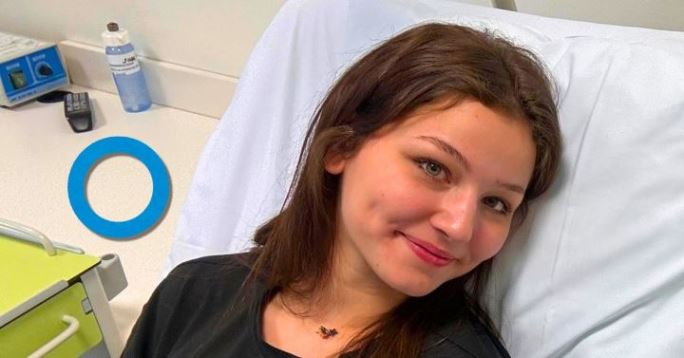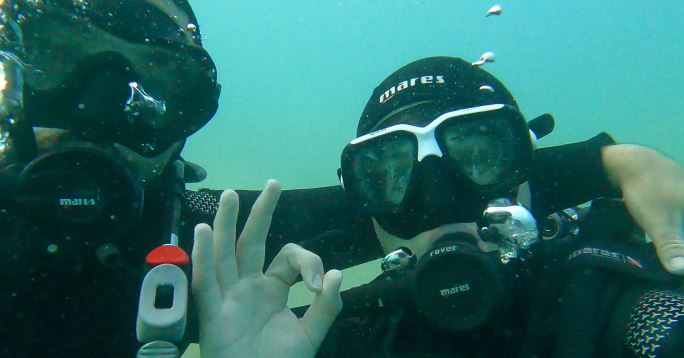
My name is Denis. I am currently 22 years old and have been living with type 1 diabetes for 19 years. I developed diabetes as a child, at the age of two and a half, although I do not remember that period very well. Unfortunately, my parents remember it very clearly—they were quite frightened because they were unfamiliar with the disease and no one in our surroundings had it. After doctors explained what it was about and after we began meeting others who found themselves in the same “sugar mess,” we realized that diabetes is not the end of the world.
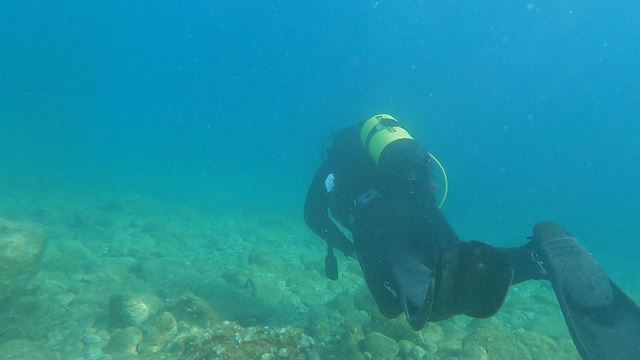
Today, I am a student at the Faculty of Kinesiology in Zagreb. I engage in various activities such as Jiu-Jitsu, weight training, hiking, and skiing, and one of my greatest passions is diving. Diving and I have been friends for many years. We met when I was 10 years old. At that time, I completed scuba diving training—this refers to diving with a tank in a swimming pool. Since my father is a diver, everything worked in my favor. The club where my father dived organized the training, and I had the opportunity to try it. After completing the course, I fell in love with diving.

When I turned 18, I wanted to obtain the open water diver certification, meaning diving with a tank in open waters. Because I have type 1 diabetes, this was a major challenge. Diving is an extreme sport where you are underwater and your life depends on the equipment you carry, and if you have type 1 diabetes, the level of risk increases and becomes even more extreme. Although most doctors do not approve of diving for people with diabetes, I completed the training and passed the final exam without any problems. Of course, this requires a high level of knowledge of both diving and diabetes, as well as of one’s own body.
Diving with diabetes is specific compared to other extreme sports because continuous glucose monitoring is difficult or impossible underwater, as is administering insulin. Therefore, good preparation before diving is extremely important. I prepare by not eating any food and not taking rapid-acting insulin for 3–4 hours before diving, so that I do not have active insulin in my body during the dive, which could potentially cause a faster drop in glucose levels. Immediately before diving, I measure my glucose. It should be around 9 mmol/L, and if necessary, I take something sweet if it is lower than that.

During diving, sudden ascents must not be performed except in cases of running out of oxygen, as they can cause serious consequences to the body, lung rupture, and often death. Although some divers with diabetes around the world carry glucose gels and consume them underwater if their blood sugar is low, I do not practice this. That is a last-resort option if something goes wrong. Diving is a wonderful activity that allows us to observe and explore the underwater world in a completely different way. That is why I love it.
Diving with diabetes is not an impossible mission. With just a slightly higher level of knowledge about diabetes, embark on this wonderful activity and enjoy life. I highly recommend.
Author: Denis