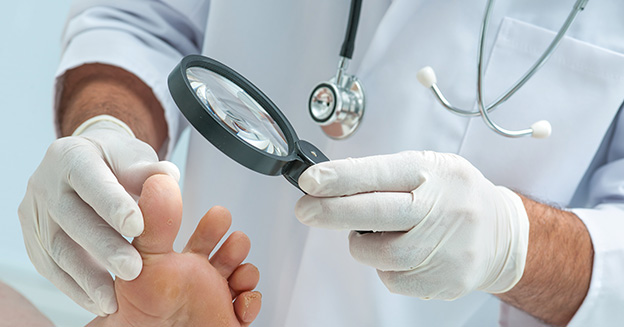
What is diabetic foot?
Dr. Ana Lamza, MD, specialist in general and vascular surgery, emphasizes: “Diabetic foot is the leading cause of amputations worldwide!” Diabetic foot refers to various changes and tissue damage affecting the feet of people with diabetes which, if not prevented and treated in time, can lead to amputations.
In people with diabetes—especially those with poorly controlled disease—damage to nerves and blood vessels in the feet may develop over time. This is known as neuropathy and vasculopathy. As a result, patients experience different symptoms. They may feel pain, burning, or tingling in the feet, but they may also completely lose the sensation of pain, heat, cold, and touch.
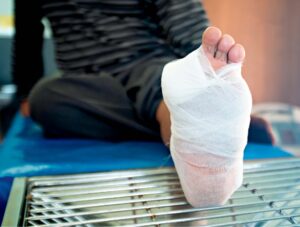
Because of this, they may not react appropriately when wearing tight shoes, stepping barefoot on a pebble or thorn, cutting themselves while trimming nails, or exposing their feet to excessive cold or heat. In such situations, blisters and wounds develop that patients often do not notice immediately. These wounds create a favorable environment for bacterial infection, leading to inflammation and further tissue damage which, if not treated promptly and adequately, may result in amputation of toes, part of the foot, or even the entire leg—and in the most severe cases, life-threatening sepsis.
As with all other diabetes complications, prevention is the most effective measure. The development of neuropathy can be prevented through good glycemic control, balanced nutrition, maintaining appropriate body weight, regular physical activity, and regulation of blood pressure and blood lipids.
In addition, every person with diabetes should develop the habit of regular foot care.
Daily Foot Care Guidelines
Inspect your feet daily. Pay attention to cuts, redness, swelling, pressure marks, blisters, calluses, cracks, and any nail changes. If you cannot see the soles, use a mirror or ask a household member for help.
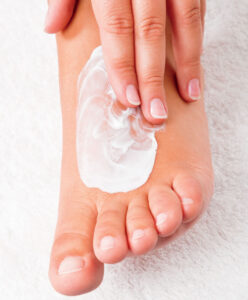
Wash your feet daily in warm water. Do not soak them. Dry thoroughly and apply a moisturizing lotion or foot cream containing urea.
Never walk barefoot. Always wear shoes or slippers and cotton socks. Check inside your shoes for pebbles or objects that could cause friction.
Choose properly fitting shoes. It is best to buy shoes in the afternoon, as feet tend to swell slightly during the day. Break in new shoes gradually by wearing them at home for an hour or two over several days until they become comfortable. Always wear socks.
Trim toenails straight across and smooth edges with a nail file. If you cannot do this yourself, seek medical pedicure care. Do not remove corns or calluses yourself, and especially avoid over-the-counter acid-based products.
At every doctor’s visit, ask for a foot examination. If you have neuropathy, you should have a foot exam at least once a year.
Maintain foot circulation. Several times a day while sitting, elevate your feet and move your toes for a few minutes.
Choose physical activities that do not overload the feet, such as walking, cycling, or swimming. If unsure which activity is best for you, consult your physician.
You can also read our article: How Alpha-Lipoic Acid Reduced My Leg and Foot Symptoms
Author: Darija Cerin